Washington Emotional Support Animal Laws: A Complete Guide
December 23, 2024
February 16, 2026
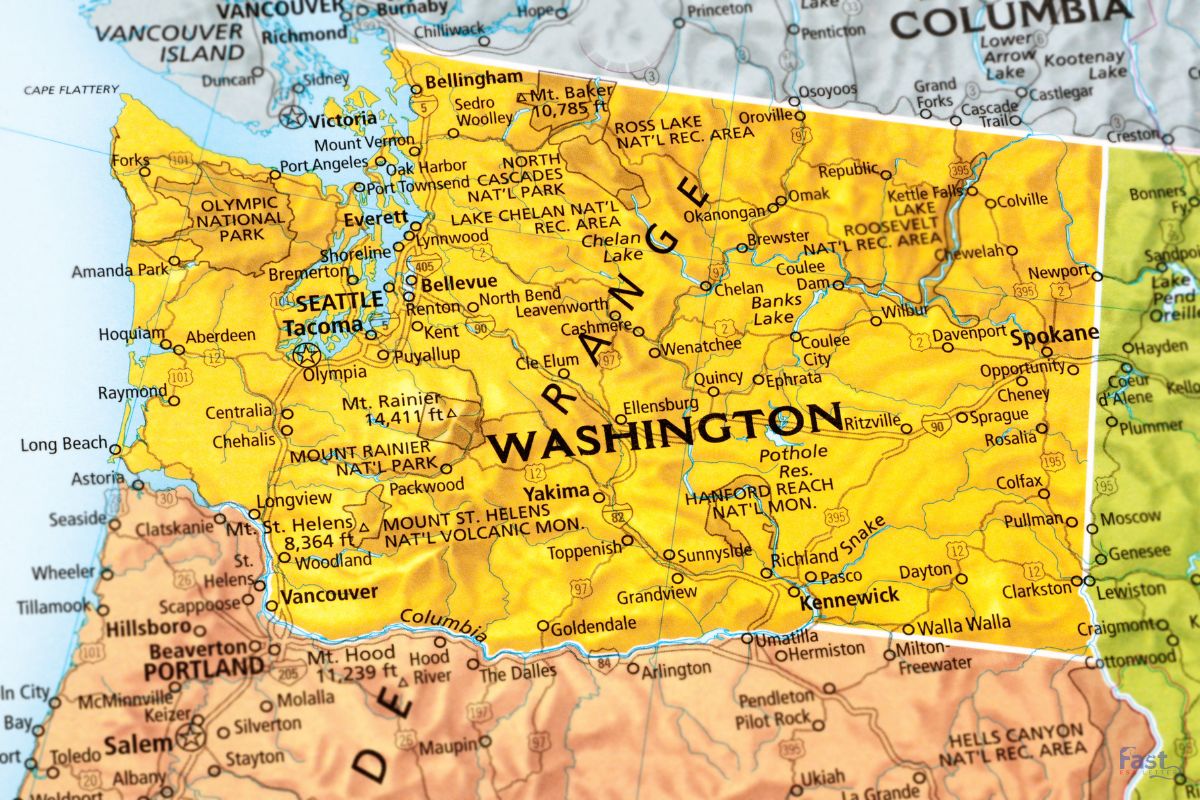
What Are Emotional Support Animal Laws in Washington State?
Emotional support animal laws in Washington are designed to protect individuals with mental health conditions who require ESAs for emotional well-being. Unlike service animals, ESAs aren’t trained for specific tasks, but their companionship is legally recognized for certain rights under federal and state laws.
Washington follows the Fair Housing Act (FHA), requiring landlords to provide reasonable accommodations for ESA owners, even in pet-free properties. Moreover, ESA owners cannot be charged additional fees or denied housing based solely on their animal.
Housing Laws for ESAs in Washington State
Washington state ESA housing laws ensure ESA owners can live with their animals, regardless of strict no-pet rules. Here are key provisions:
Responsibilities of Landlords
- Cannot deny housing to ESA owners if valid documentation is provided.
- Cannot charge extra fees for the animal.
- Can request documentation, such as a Washington ESA letter from a licensed mental health professional, stating the need for the ESA to alleviate symptoms of a diagnosed condition.
Housing Limitations
Landlords can deny accommodation if:
- The ESA poses a threat to others.
- The animal causes significant property damage.
Specific ESA-friendly housing options in Washington include:
- Capitol Hill Apartments (Seattle): Acknowledges and accommodates ESA owners.
- Overlook at Lakemont Apartments (Bellevue): Known for ESA-friendly policies.

Workplace Accommodations for Emotional Support Animals in Washington
Example Workplaces with ESA-Friendly Policies
- Amazon (Seattle HQ): Known for pet-friendly office spaces.
- Microsoft (Redmond): Offers case-by-case accommodations for ESA owners.
To improve your chances of approval, provide:
- A detailed letter from a mental health professional.
- A plan to ensure the ESA doesn’t disrupt work operations.
University Housing Laws for ESAs in Washington
University housing policies fall under Washington state ESA housing laws, ensuring equitable treatment for students with mental health needs.
Notable University Policies
- University of Washington (Seattle): Offers a streamlined process for ESA accommodations in dorms.
- Washington State University (Pullman): Provides clear guidelines for ESA housing requests.
Universities typically require:
- A mental health professional’s letter.
- Documentation proving the ESA assists with symptoms of a disability.
- Approval from the university’s housing office.
Travel Laws for Emotional Support Animals (ESAs) in Washington
Traveling with an Emotional Support Animal (ESA) requires a clear understanding of the laws and policies governing their presence in various modes of transportation and public spaces within Washington. This guide outlines the essential information for ESA owners.
Air Travel
The Air Carrier Access Act (ACAA) previously permitted ESAs to travel in the cabin with their owners without additional charges. However, as of January 2021, the U.S. Department of Transportation revised its regulations, and ESAs are no longer recognized as service animals under the ACAA. Airlines are now allowed to treat ESAs as regular pets. This means:
- Passengers must pay the standard pet travel fees, which vary depending on the airline.
- Airlines may impose restrictions on the size, breed, and type of animal allowed in the cabin.
- ESAs must be transported in airline-approved pet carriers that fit under the seat.
- Most airlines require advance notice and reservation for traveling with pets. Passengers should check specific airline policies before booking their tickets.
Ferry Travel
Washington State Ferries offers flexibility for passengers traveling with ESAs. While they do not have the same legal recognition as service animals, they are generally accommodated as pets, provided the following conditions are met:
- The ESA must be calm and not disrupt other passengers.
- All ESAs must remain leashed or in an appropriate carrier.
- Passengers may be directed to designated pet-friendly areas on the ferry.
Penalties for Misrepresenting an Animal as ESA in Washington
Conclusion
Frequently Asked Questions (FAQs)
Can a Landlord in Washington Verify My ESA’s Need?
Are There Breed Restrictions For ESAs in Washington Housing?
Do I Have To Register My ESA in Washington?
No, registration is not legally required for ESAs in Washington. An ESA letter from a licensed professional is sufficient.
What Happens If My ESA Causes Damage To a Rental Property?
Can I Have More Than One ESA in Washington Housing?
Post Author

Prince Sharma
Related Articles

What Are the Emotional Support Animal Laws in Utah?
What Are the Emotional Support Animal Laws in Utah?In Utah, emotional support animals (ESAs) are protected under federal laws like the Fair Housing Act, which allows them in housing without pet fees, even in no-pet policies. However, ESAs are not...

What Are the Emotional Support Animal Laws in Kansas?
What Are the Emotional Support Animal Laws in Kansas?In Kansas, emotional support animals (ESAs) are protected under federal laws like the Fair Housing Act, which allows them in housing without pet fees, even in no-pet policies. However, ESAs are not...
What Are the Emotional Support Animal Laws in Nebraska?
What Are the Emotional Support Animal Laws in Nebraska?In Nebraska, emotional support animals (ESAs) are protected under federal laws like the Fair Housing Act, which allows them in housing without pet fees, even in no-pet policies. However, ESAs are...