

Why Choose Rabbits as an Emotional Support Animal?

Robert Clendenin, MD
These gentle creatures are quickly becoming popular choices for those seeking comfort, companionship, and emotional balance. In this article, we’ll explore why rabbits as emotional support animals are worth considering and how they can enrich your life.
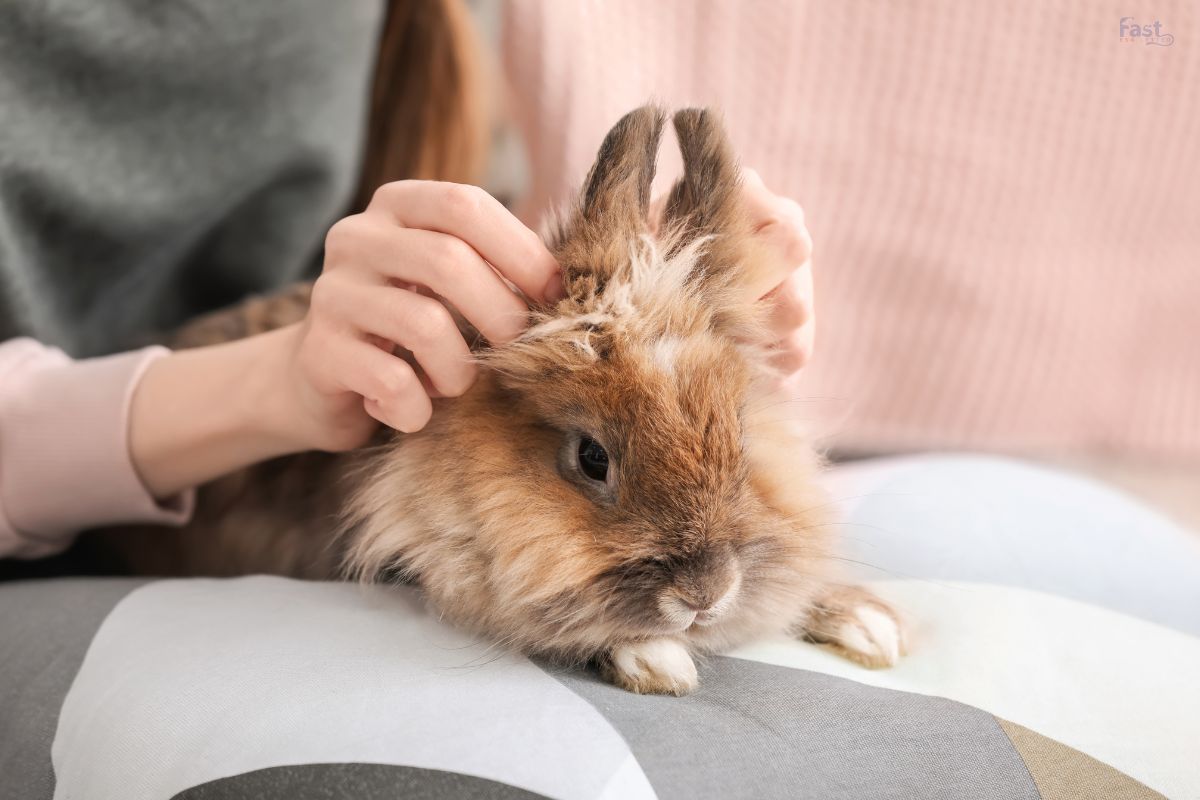
Can Rabbits Qualify as Emotional Support Animals?
Absolutely! Rabbits qualify as emotional support animals (ESA), and they provide significant therapeutic benefits for individuals dealing with anxiety, depression, PTSD, or other emotional disorders. Unlike service animals, which must perform specific tasks, emotional support animals provide comfort and emotional stability just by being present.
To officially recognize your rabbit as an emotional support animal, you need an ESA letter from a licensed mental health professional. This letter should confirm that your rabbit helps alleviate symptoms of your mental or emotional condition. Once you have this letter, your rabbit will be protected under the Fair Housing Act (FHA), allowing you to live with your rabbit even in places with no-pet policies.
Why Choose a Rabbit as an Emotional Support Animal?
1. Quiet and Calm
2. Low Maintenance
3. Soothing and Therapeutic
4. Affectionate Bonding
5. Ideal for Small Living Spaces
Challenges of Getting a Rabbit as an Emotional Support Animal
1. Sensitive Health Needs
2. Fragile and Timid
3. Limited Public Access
Are There Specific Breeds of Rabbits That Are Better Suited to Be ESAs?
1. Mini Lop
2. Holland Lop
3. Rex Rabbit
Each breed has its own unique qualities, so be sure to research the breed that best fits your lifestyle and emotional needs.
How To Make My Rabbit Recognized as an ESA?
To officially make your rabbit an emotional support animal, you’ll need to obtain an ESA letter from a licensed therapist, psychologist, or psychiatrist. This letter should outline your mental or emotional condition and specify how your rabbit supports your emotional well-being.
Once you have this ESA letter, your emotional support rabbit will be protected under the Fair Housing Act, meaning landlords must allow you to live with your rabbit even if there are no-pet policies in place. Remember, your rabbit does not need special training to be recognized as an ESA—its role is simply to provide emotional comfort.
Do I Need to Train My Rabbit to Be an ESA?
Unlike service animals, emotional support rabbits do not require specific training to perform tasks for their owners. However, basic training for an ESA is necessary to ensure they can live comfortably in your home.
You’ll to teach your rabbit how to interact with people and how to be calm and relaxed in different environments. Rabbits are intelligent and can be trained relatively easily with positive reinforcement.
How Can I Strengthen My Bond with My Emotional Support Rabbit?
1. Cuddle Time
2. Play and Enrichment
3. Create a Safe Environment
What Is the Cost of Getting an Emotional Support Animal Rabbit?
- Adoption or Purchase: $20 – $100
- Supplies (cage, bedding, toys): $100 – $300
- Food: $30 – $50 per month
- Veterinary Costs: Routine check-ups range from $50 – $150 per visit.
While rabbits are typically less expensive than other animals like dogs, there are still ongoing costs to consider for food, supplies, and medical care.
Conclusion
If you think an emotional support rabbit might be the right fit for you, start by consulting a mental health professional to obtain your ESA letter.
Frequently Asked Questions (FAQs)
Do Rabbits Help Reduce Anxiety as Emotional Support Animals?
Can I Take My Emotional Support Rabbit in Public Places?
Emotional support animals, including rabbits, do not have public access rights under the ADA, meaning they may not be allowed in non-pet-friendly public spaces like restaurants or stores. However, they are allowed in housing under the Fair Housing Act.
Do Rabbits Make Good Emotional Support Animals For Apartments?
Yes, rabbits as ESAs are well-suited for apartment living due to their small size and quiet nature. They don’t require large outdoor spaces, and with proper care, they can live happily indoors, making them ideal for those living in smaller homes.
Are Emotional Support Rabbits Good For Children?
Rabbits as ESAs can be great companions for children, especially those dealing with emotional issues. They are gentle, quiet, and can provide comfort, although younger children should be supervised to ensure the rabbit’s safety and well-being.
What Should I Feed My Emotional Support Rabbit?
Are Rabbits Low Maintenance as Emotional Support Animals?
Can Rabbits Help With Anxiety and Depression?
Can a Rabbit’s Temperament Change When It’s an Emotional Support Animal?
Do Emotional Support Rabbits Need Veterinary Care?
Do Emotional Support Rabbits Help With PTSD?
How Much Space Does an Emotional Support Rabbit Need?
How Long Do Emotional Support Rabbits Live?
Post Author

Prince Sharma
Related Articles

Can a Turtle Be an Emotional Support Animal?
Can a Turtle Be an Emotional Support Animal? Yes, a turtle can be an emotional support animal (ESA) if it provides comfort and emotional stability to its owner. While turtles may not offer the same level of interaction as dogs or cats, their calm...

Is a Fox Terrier the Right Emotional Support Dog for You?
Is a Fox Terrier the Right Emotional Support Dog for You?Fox Terriers can be your perfect emotional support animal, offering unmatched comfort and companionship if you're dealing with emotional or mental health challenges. To officially make your Fox...

Can Your Tenant Own an Alligator as an Emotional Support Animal?
Can Your Tenant Own an Alligator as an Emotional Support Animal?Yes, an alligator can become an emotional support animal (ESA) if a licensed professional provides an ESA letter. However, due to safety concerns, many landlords and states may restrict...
Live Free with Your ESA!
An ESA Letter Unlocks Freedom!
